Your gut is more than just a place where food is digested — it’s the command center of your health.From your immune system and hormones to your mood and skin, nearly every part of your body is influenced by what’s happening in your digestive tract.
So if you want to feel better, think clearer, and live stronger, start by supporting your gut.
🚽 How’s Your Gut Health, Really? Let’s Talk About the Bristol Stool Chart
One of the easiest ways to tell if your digestion is thriving is to look at what your body is producing every day.Yes — we’re going there.
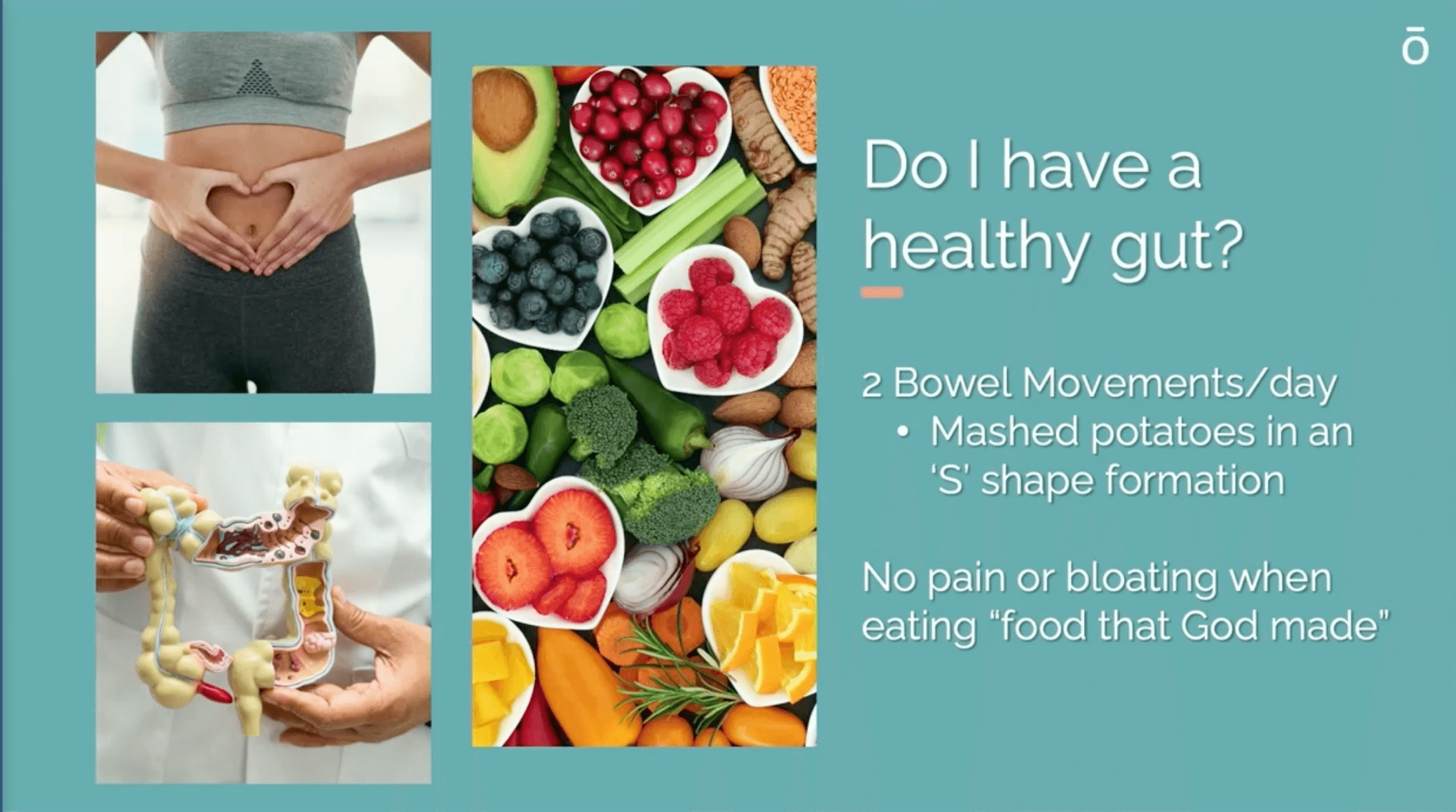
Healthy digestion means you should be having at least one to two bowel movements per day.They should feel complete, pass easily, and form an S-shaped “mashed potato” texture.If that sounds oddly specific… it’s because it’s true — and it works.
The next question: Do you feel bloated or uncomfortable after eating real, whole foods — the kind God made?If so, that’s your body’s way of telling you something’s off in your digestion or microbiome balance.
To help you gauge where you stand, here’s a visual tool that dietitians and doctors around the world actually use — the Bristol Stool Chart:
According to this chart, the healthiest types of bowel movements are Type 3 and Type 4 —
Type 3 looks like a corn on the cob — formed, with a few cracks on the surface.
Type 4 looks like a smooth sausage or snake — soft, easy to pass, and complete.
Anything else — from Type 1 (rabbit droppings) to Type 7 (gravy) — means your gut could use some extra support.
🧠 The Gut: Where Whole-Body Health Begins
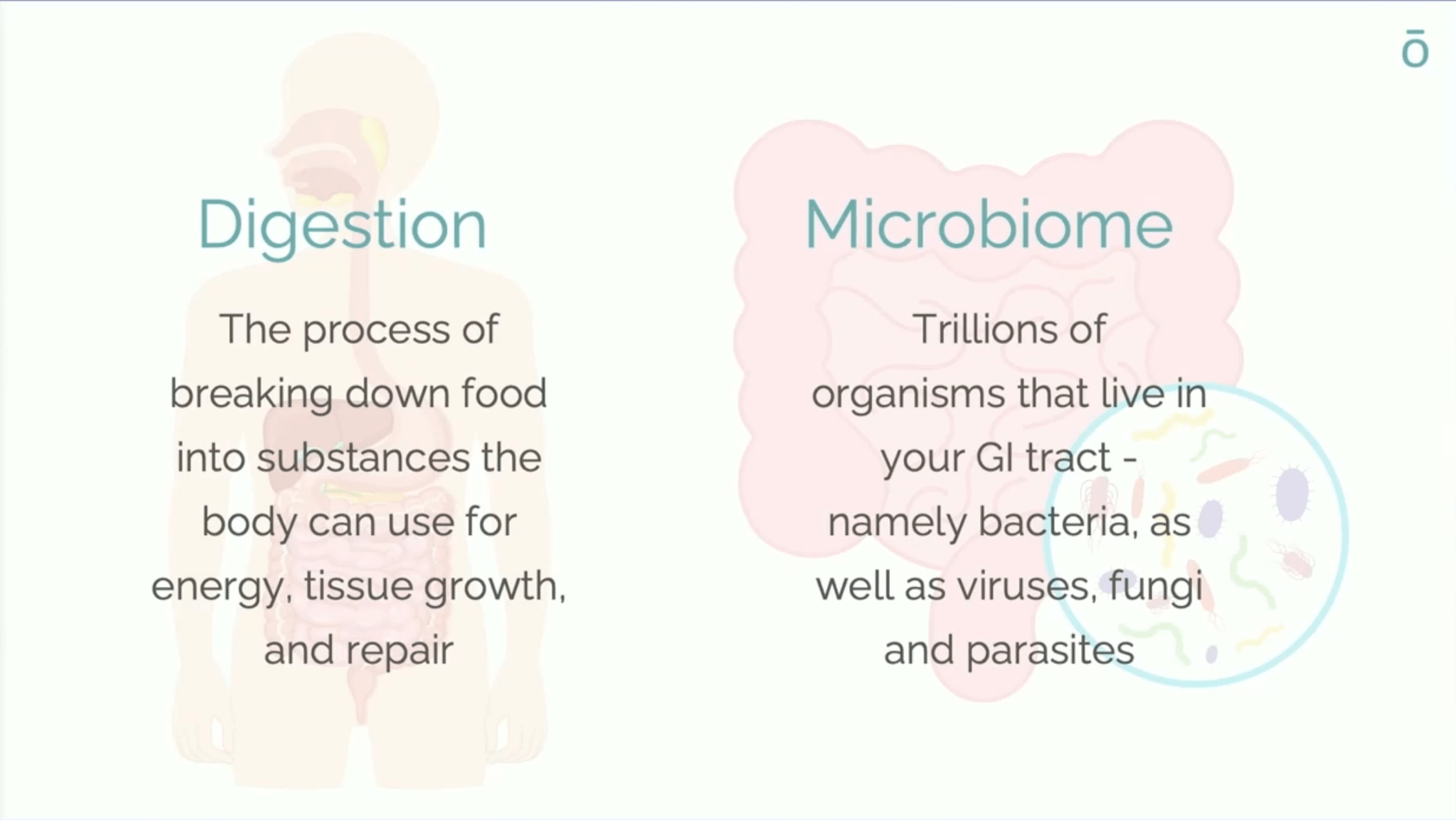
Scientists now know the gut impacts far more than digestion. In fact, your microbiome — the trillions of bacteria, fungi, and microorganisms in your GI tract — communicates with nearly every organ system.
Key Body Systems Affected by Gut Health:
Cardiovascular System:A healthy gut helps regulate cholesterol and supports the production of bile, which assists in fat digestion and balances lipid levels.
Urinary System: A strong microbiome contributes to urinary comfort and balance by controlling bacterial overgrowth and maintaining internal microbial harmony.
Respiratory System:The gut and lungs are connected through what researchers call the gut-lung axis. Healthy digestion supports clear breathing and respiratory resilience.
Skin: Clear, healthy skin starts in the gut. When digestion and detox pathways are supported, your skin naturally reflects balance from within.
Immune System: About 70% of your immune cells live in your gut. A balanced microbiome helps your immune system respond effectively without turning against your own tissues.
Brain and Mood: The gut-brain axis connects your digestive tract to your mind. Through the vagus nerve and neurotransmitters like serotonin and dopamine, your gut literally talks to your brain — influencing focus, sleep, and emotional balance.
Hormones: Gut bacteria help metabolize and eliminate excess hormones, particularly estrogen. Poor digestion can lead to hormonal imbalances, thyroid issues, and adrenal fatigue.
🍽️ The Three Phases of Digestion
Digestion is a complex, beautifully coordinated process — and understanding it helps you support it.
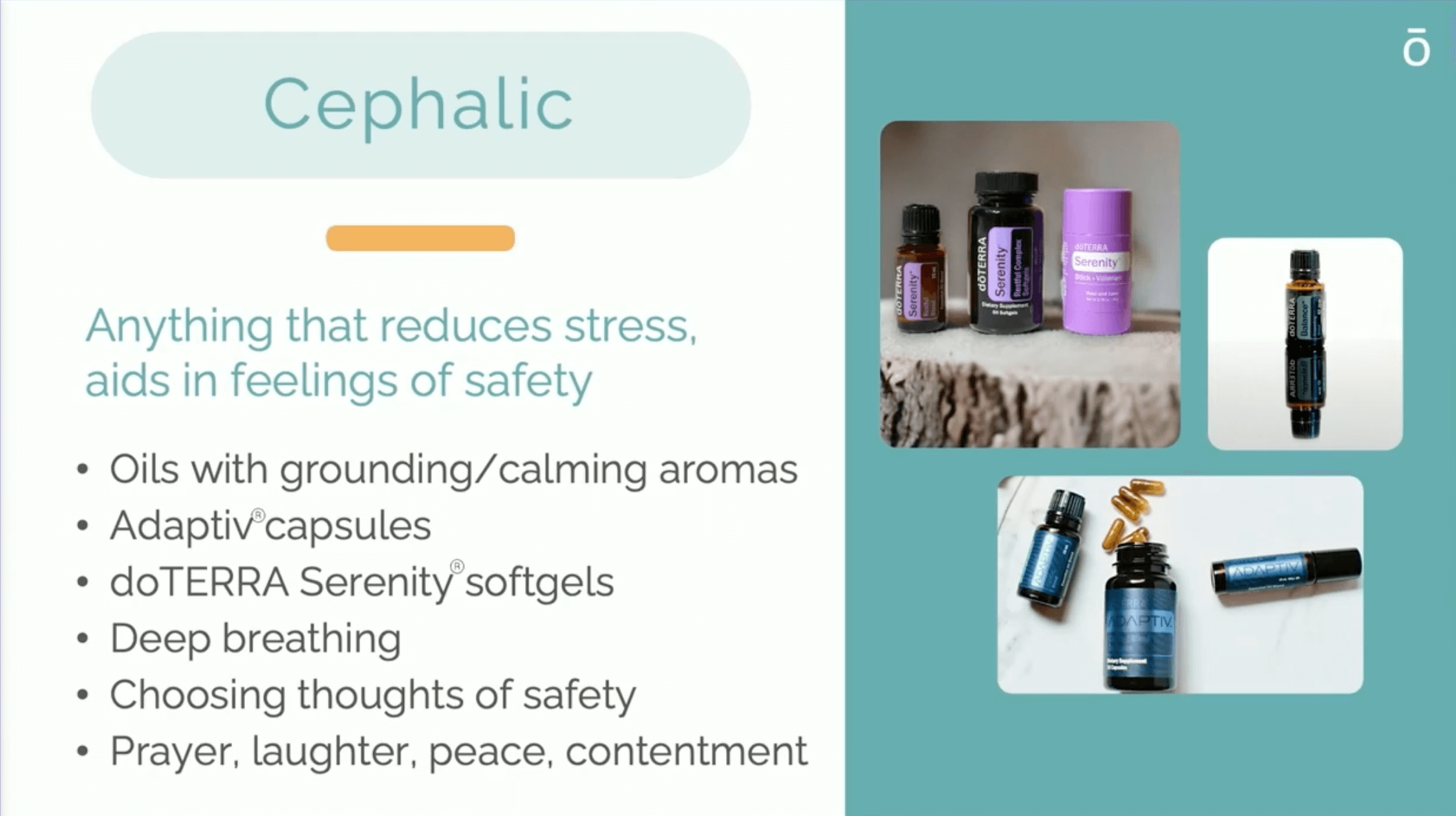
1. Cephalic Phase – Before You Eat
Triggered by the sight, smell, and thought of food. This phase activates digestive juices and primes your stomach through the vagus nerve.To optimize this phase, reduce stress before meals with:
2. Gastric Phase – In the Stomach
Begins once food reaches the stomach.Healthy digestion here depends on sufficient stomach acid and a calm nervous system.
3. Intestinal Phase – In the Small Intestine
The final breakdown and absorption of nutrients happen here.Support this phase with:
TerraZyme (for enzyme support)
Fiber (feeds beneficial bacteria)
PB Restore and PB Assist+ (probiotics for microbial balance)
💡 Pro Tip: If increasing fiber causes constipation (rabbit pellets instead of smooth stools), don’t stop — just drink more water. Fiber and hydration work together to keep things moving.
🦠 The Microbiome: Your Inner Ecosystem
The gut microbiome isn’t just bacteria — it’s a diverse community of organisms including fungi, viruses, and beneficial microbes.This ecosystem needs diversity to thrive.
Today, 75% of the world’s food supply comes from just 12 plants and 5 animal species.That lack of variety reduces the diversity of your gut microbes, leading to imbalance and poor resilience.
Probiotic supplementation helps restore that balance:
⚙️ How Probiotics Work
Healthy bacteria in your gut do more than aid digestion — they create powerful metabolites that support every cell of your body.
These include:
Short-chain fatty acids like butyrate — fuel for your brain and intestinal lining
Amino acids and enzymes for tissue repair
Neurotransmitters like GABA, serotonin, and dopamine for mood and focus
For example, Lactobacillus brevis (found in PB Restore) produces GABA — a calming compound that soothes the nervous system and supports better sleep and focus.
🧪 Case Study #1: Supporting Focus and Brain Function
A 13-year-old boy struggled with attention in school and needed better norepinephrine balance — a key neurotransmitter for focus.
Foundational Support Plan:
VMG+ (multivitamin and greens)
EO Mega+ (essential fatty acids)
PB Restore + PB Assist+ (microbiome support)
Fiber (feeds good bacteria)
Optional Enhancements:
🌸 Case Study #2: Hormone and Energy Support
A 49-year-old woman experienced fatigue, mood imbalance, and digestive sluggishness — only one bowel movement per week.
Foundational Support Plan:
VMG+, EO Mega+, and PB Restore
PB Assist+ and Fiber for microbial nourishment
MetaPWR Recharge for hydration and stomach acid balance
DigestZen Softgels to promote regularity
Optional Enhancements:
Mito2Max for adrenal and mitochondrial energy
Basil essential oil for calm and hormonal balance
Phytoestrogen and ClaryCalm (after digestion is regulated)
Because all hormone balance begins in the gut, the first goal is daily, healthy elimination.
💩 Healthy Gut, Healthy Life
Gut health isn’t a side topic — it’s the starting point for all wellness.A well-functioning digestive system can:
If you’re not sure where to start, use the Bristol Stool Chart (Type 3–4 is ideal) as your daily reference for digestive health.
Whether your concern is mood, hormones, skin, or energy — start with the gut.Support digestion, feed your microbiome, and cultivate balance through diversity.
Healthy digestion isn’t just about what you eat — it’s about how your body uses it.When your gut thrives, everything else follows.